




Commercial Energy
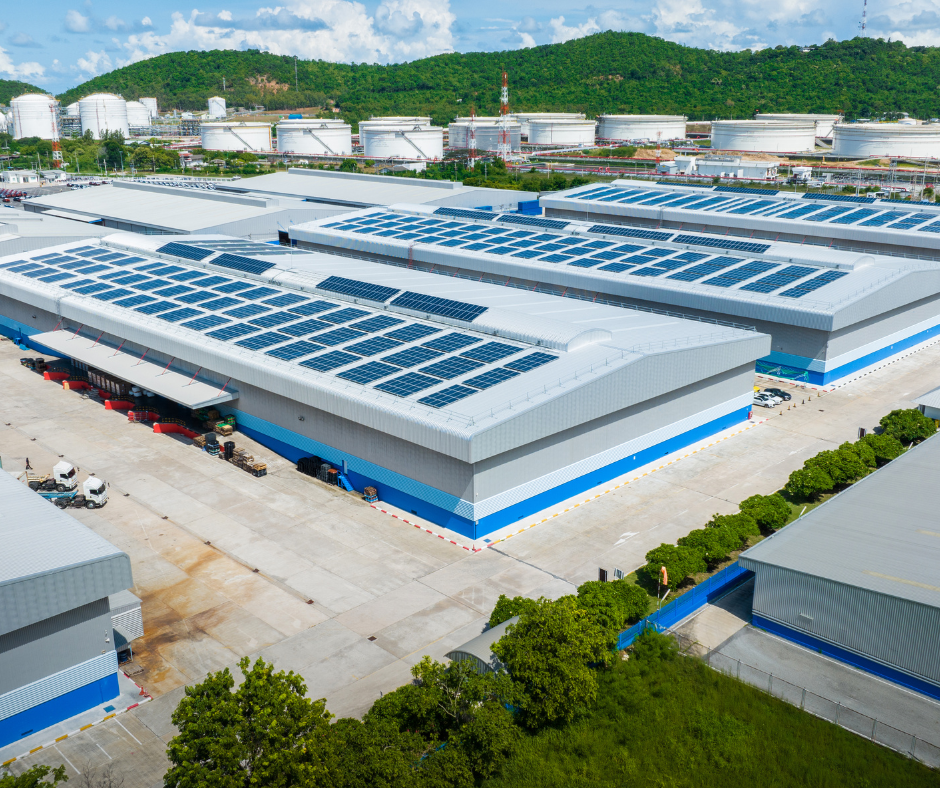
Solar energy has emerged as a compelling option for commercial applications, offering numerous benefits to businesses and organizations. This essay delves into the concept of solar energy for commercial use, its advantages, and the positive impacts it can have on businesses.
Commercial solar energy refers to the utilization of sunlight to generate electricity or heat for commercial and industrial purposes. This can include office buildings, factories, warehouses, retail stores, and other commercial establishments. The primary technology used for commercial solar applications is photovoltaic (PV) panels, which convert sunlight into electricity.
One of the key benefits of solar energy for commercial applications is cost savings. By generating their electricity, businesses can significantly reduce their energy bills over time. This is particularly advantageous for industries with high energy consumption, such as manufacturing or data centres, where electricity costs can be a significant portion of operating expenses. Additionally, many governments offer incentives such as tax credits or rebates for businesses that invest in solar energy, further enhancing the financial benefits.
Another important advantage of commercial solar energy is its contribution to sustainability and environmental responsibility. Businesses that switch to solar power can significantly reduce their carbon footprint and environmental impact. Solar energy does not produce greenhouse gas emissions or air pollutants, making it a clean and sustainable choice for businesses committed to corporate social responsibility and environmental stewardship.
Moreover, solar energy offers businesses energy independence and resilience. By generating their electricity on-site, businesses are less vulnerable to energy price fluctuations and supply disruptions. This energy independence can be crucial during power outages or emergencies, ensuring continuous operations and avoiding costly downtime.
Furthermore, adopting solar energy can enhance a business’s reputation and brand image. Consumers and stakeholders increasingly value sustainability and environmental consciousness in businesses. By showcasing a commitment to renewable energy and reducing carbon emissions, businesses can attract environmentally conscious customers, investors, and partners, leading to enhanced brand loyalty and market competitiveness.
Additionally, investing in solar energy can future-proof businesses against rising energy costs and regulatory changes. As traditional energy sources become scarcer and more expensive, solar energy offers a stable and predictable energy source with long-term cost savings. Furthermore, governments and regulatory bodies are increasingly incentivizing and mandating renewable energy adoption, positioning businesses that embrace solar power favorably in the evolving energy landscape.
Furthermore, the deployment of solar energy in commercial settings can stimulate economic growth and job creation. The solar industry supports a range of jobs, from manufacturing and installation to maintenance and research, contributing to local economies and fostering innovation in renewable energy technologies.
In conclusion, commercial solar energy offers numerous benefits to businesses, including cost savings, sustainability, energy independence, resilience, enhanced reputation, future-proofing against energy costs, regulatory compliance, economic growth, and job creation. As businesses prioritize sustainability and seek to reduce their environmental impact while improving their bottom line, solar energy presents a compelling and advantageous solution for the commercial sector.