



Agricultural Energy
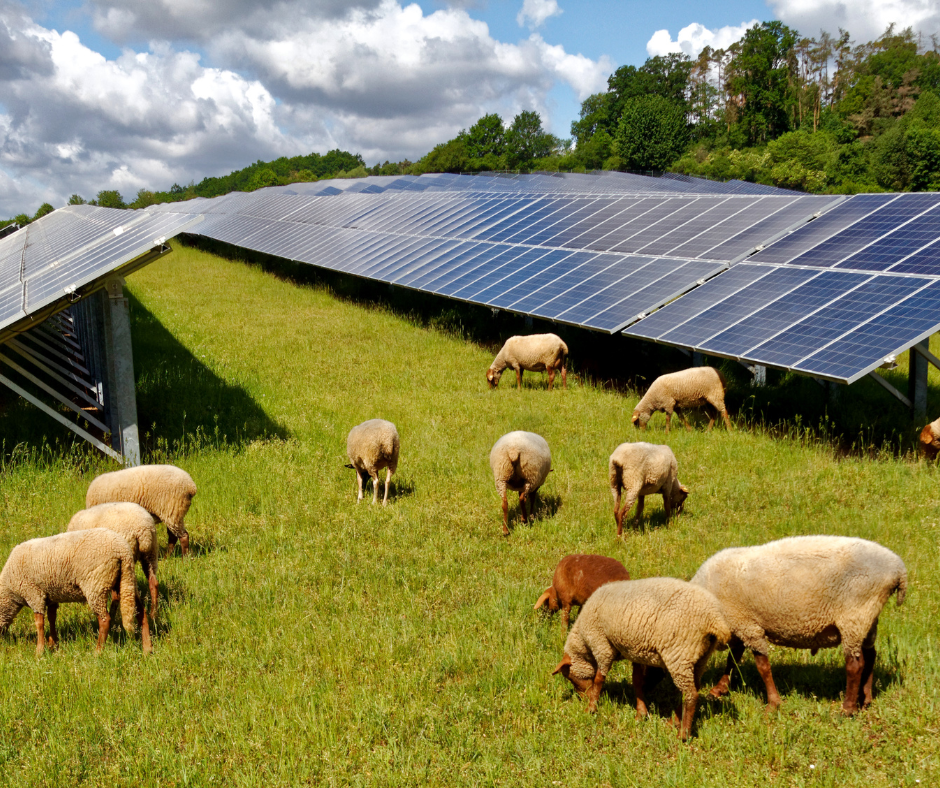
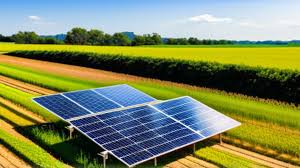
Solar energy has become a valuable resource in the agricultural sector, offering numerous benefits and advantages to farmers and agricultural businesses. Solar power is utilized in agricultural applications primarily for irrigation, powering equipment and machinery, and providing electricity for farm operations.
One of the key benefits of solar energy for agriculture is its ability to reduce energy costs. Farms often have high energy demands for irrigation pumps, lighting, cooling systems, and other equipment. By installing solar panels, farmers can generate their electricity and significantly lower their energy bills over time, thus reducing operational expenses and improving profitability.
Moreover, solar energy provides farmers with energy independence and reliability. Rural areas may experience power outages or unreliable grid connections, which can disrupt farm operations. Solar power systems with battery storage can provide a reliable and continuous energy supply, ensuring that critical farm activities like irrigation and livestock management can proceed uninterrupted.
Additionally, solar energy contributes to environmental sustainability in agriculture. Traditional energy sources like fossil fuels emit greenhouse gases and contribute to air pollution, impacting both human health and the environment. Solar power is a clean and renewable energy source that produces no emissions during operation, making it a sustainable choice for farmers committed to environmental stewardship and conservation of natural resources.
Furthermore, solar energy can enhance the resilience of agricultural operations. In areas prone to extreme weather events or natural disasters, solar-powered systems can continue operating even when grid power is disrupted. This resilience is crucial for maintaining food production and ensuring the stability of agricultural livelihoods, especially in vulnerable regions.
Another benefit of solar energy in agriculture is its potential for diversification and additional income streams. Farmers can not only meet their energy needs but also generate surplus electricity that can be sold back to the grid or used for other purposes, providing a source of revenue and financial stability.
In conclusion, solar energy offers significant benefits for agricultural applications, including cost savings, energy independence, environmental sustainability, resilience, and opportunities for diversification and additional income. As farmers seek to reduce costs, improve efficiency, and adopt sustainable practices, solar power presents a viable and advantageous solution for powering agricultural operations while mitigating environmental impact.