



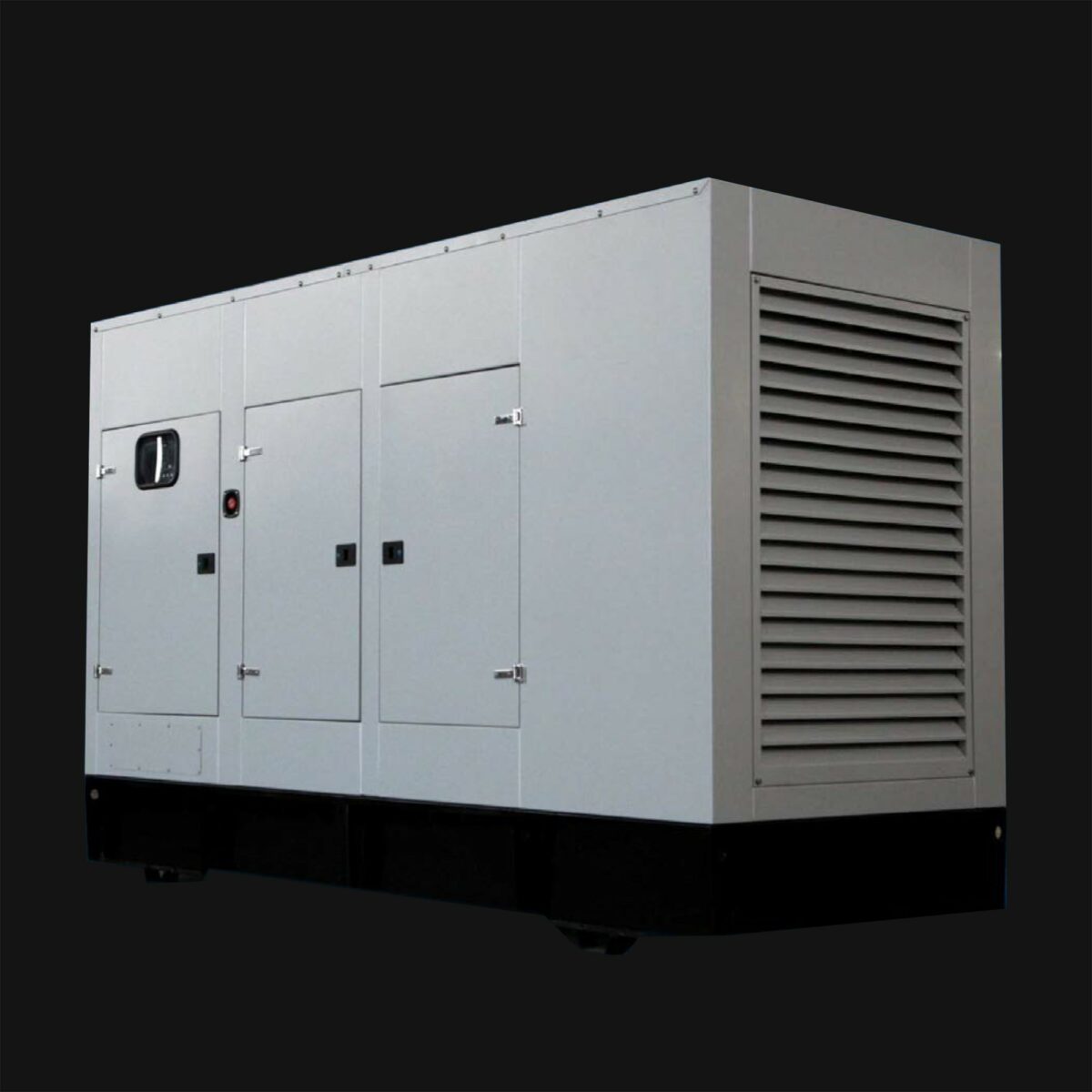
Generator Integration
Running a grid-tied solar system with a generator offers several benefits, especially in situations where consistent power supply is essential. A grid-tied solar system is connected to the utility grid, allowing excess solar energy to be exported to the grid and drawing power from the grid when solar production is insufficient. When combined with a generator, this setup can provide additional reliability and flexibility.
One significant benefit is enhanced resilience and backup power capability. While solar energy is renewable and clean, it is dependent on sunlight, which can vary due to weather conditions or time of day. In situations where solar production is insufficient, such as during extended periods of cloudy weather or at night, a generator can supplement power supply,
ensuring continuous electricity for critical loads or during emergencies. This backup power capability is crucial for maintaining operations, especially in areas prone to power outages or unreliable grid connections.
A grid-tied solar system with a generator can offer cost savings and efficiency improvements. By exporting excess solar energy to the grid, users can benefit from net metering programs, where they receive credits or payments for the electricity they contribute. This can offset electricity bills and provide a financial incentive for generating renewable energy. Additionally, using a generator as a backup source can be more cost-effective than relying solely on battery storage, especially for larger systems or when extended backup periods are required.
This setup allows for optimal utilization of renewable and non-renewable energy sources. Solar energy is clean and sustainable, reducing reliance on fossil fuels and lowering carbon emissions. The generator, typically fueled by diesel, propane, or natural gas, provides backup power efficiently when needed, ensuring a reliable and continuous energy supply.
In summary, running a grid-tied solar system with a generator offers benefits such as enhanced resilience and backup power capability, cost savings through net metering, and efficient utilization of renewable and non-renewable energy sources. This integrated approach provides flexibility, reliability, and sustainability, making it a practical choice for individuals, businesses, and institutions seeking reliable and efficient energy solutions.